

Design
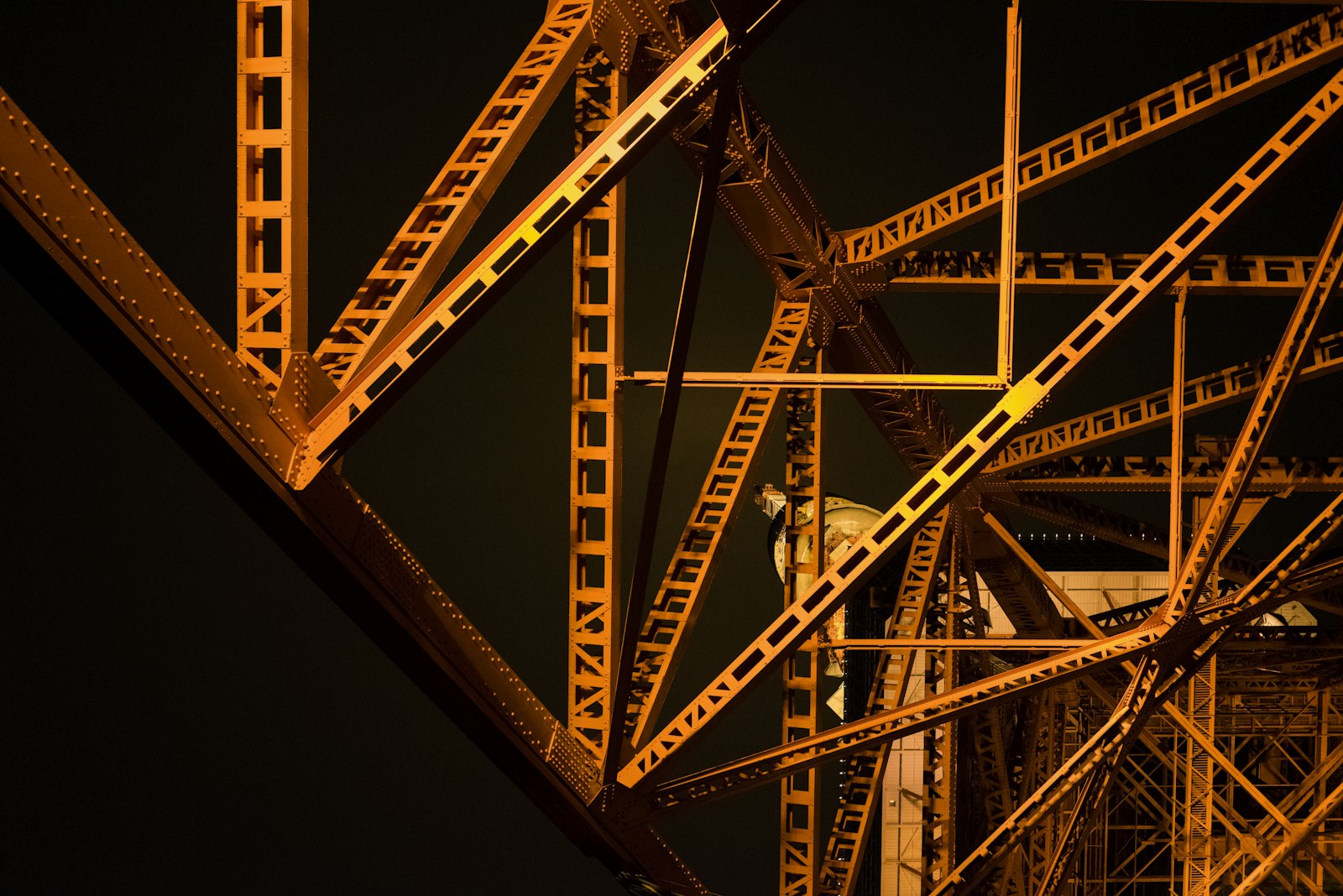
The most honest thing a design can do is show its structure
Finished too early is a warning sign.
We stopped trusting designs that looked finished too early. The ones that showed up pretty. Photography color-graded, headlines set in something expensive, not a seam visible. They felt great in the pitch and fell apart the first time a client put real content into them.
A finished-looking comp is usually hiding the fact that nobody decided how the thing actually gets built. The polish was the decision. There wasn't another one underneath it.
Show where a page breaks into sections and what each section is made of. When the structure is visible, you can argue with it, and that argument is the whole job. Bury the structure under decoration and you can only react to whether you like the colors. You never get to touch the thing that actually decides how the site behaves.
We build on WordPress with ACF flexible content: every page is a stack of blocks the client can reorder, add to, and remove. You aren't buying a picture of a homepage. You're buying a kit that builds a hundred you haven't thought of yet.
Decoration doesn't hide the structure. It welds it shut.
Decoration actively lies to you. A custom illustration bleeding across three sections looks like care. It also welds those sections together so they can never move independently again. What read as craft is a joint you can't open later.
Visible structure matters beyond looks because it is how the web actually works. A browser renders a tree of elements, each carrying meaning. Screen readers walk that tree. Search engines read it to figure out what your page is about.
Build the structure honestly, real heading hierarchy, real landmarks, and accessibility and search legibility come almost for free. Fake the structure to chase a visual effect and you pay for it in the two places clients actually feel pain: the people who can't use the site, and the searches that never find it.
It shows up in month six.
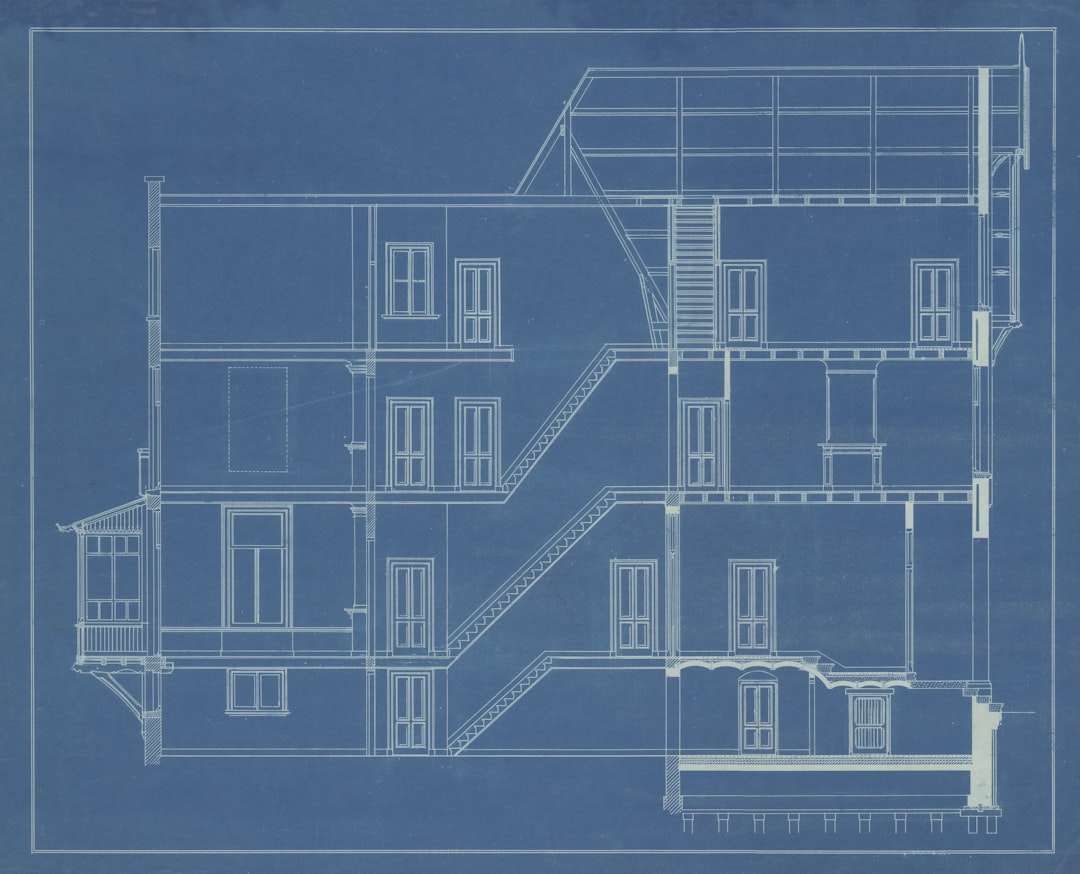
A wireframe doesn't make anyone gasp. Structure-first work shows less in the first meeting, and we've made peace with that. But real content pours in and nothing buckles, because the layout was a decision, not a coat of paint over an undecided one.
The morning the client adds a new section herself, in five minutes, without breaking anything or emailing us, that's the approach she thanks you for. That's what the site we build actually means in practice.
Honest materials. You don't paint pine to look like oak.
There's a craft idea under this older than the web. You let the joint show, because the joint is holding the chair together. Show the joints, clean enough that you're not embarrassed to point and say: here's how it's built, change this part and the rest will hold. Decoration is something you do to a website. Structure is what a website is.
If your current site is decoration welded over an undecided structure, that's worth a plain look before you spend money making it prettier. Run it against the redesign readiness scorecard first.