


Process
Why the brief is a book, not a doc
The brief arrives as a Doc. Ours arrives as a book.
People think binding it is fussy. It isn't. A brief is the one document that holds the whole project still: here's the problem, here's who we're really talking to, here's the one thing this site has to do, here's how it should feel.
Everything designed and built afterward answers back to it. When a decision gets fuzzy three months in, the brief is what you point at. A Doc can't hold that weight. A book can.
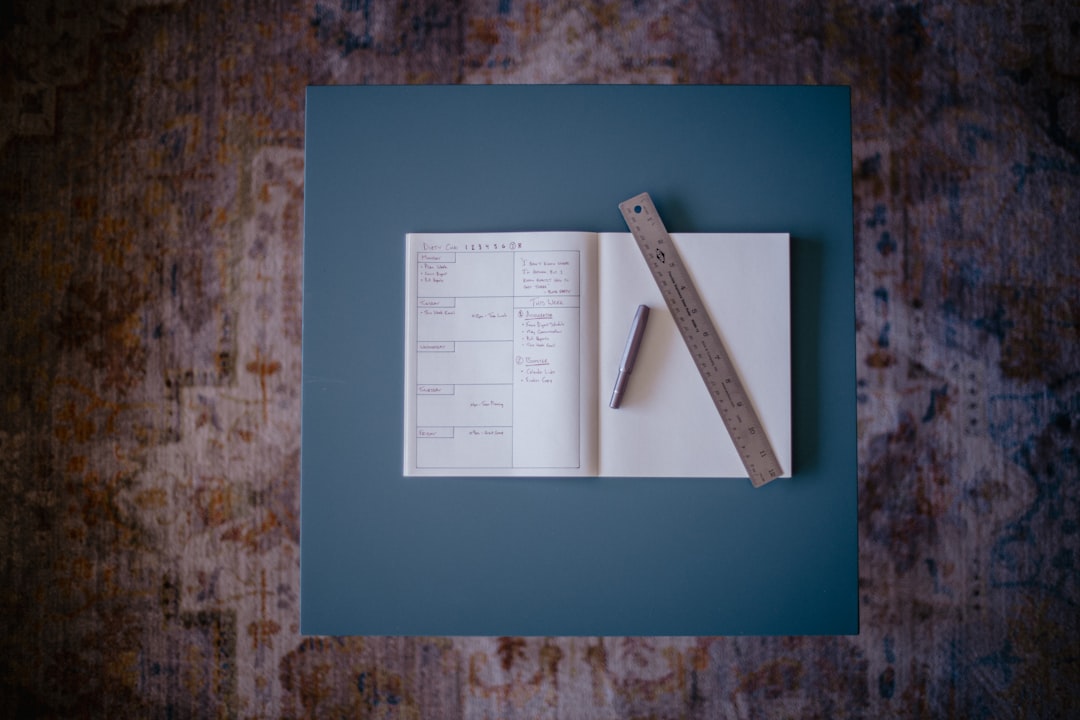
Three reasons the book beats the doc.
You can't pad a bound object the way you pad a Doc. An extra page has to justify itself. A Doc invites you to keep typing; a book asks what actually belongs.
A link gets buried in an inbox within a week. A small book sits on the desk. The client picks it up, their boss picks it up, the new hire in month four picks it up and gets the whole project in ten minutes.
The best brief we know of was for a Honda ad, and the entire objective was one sentence: the feeling you get when you open the drawer on a really expensive CD player.
The first real thing we hand a client tells them what kind of studio this is. A bound brief on good paper says we took your business seriously enough to make it into something.
Here's the part people get backwards. They think a good brief is a thorough one, so they pad it: twelve pages, every stakeholder quote, every requirement. That's not a brief. That's a transcript.
If we can't say it in a paragraph, we don't understand it yet.
Binding it into a book forces us to find that paragraph. Most of what we make stays digital, working files want to be clickable, editable, fast. But the brief is the one document whose whole job is to be returned to, believed, and kept. It costs a little time and about fifteen dollars, and it does more to hold a project together than anything else we hand over.
One line told everyone exactly what they were making. That's the bar we hold our own briefs to, and it's why our brief template starts every project before a single screen gets drawn.