

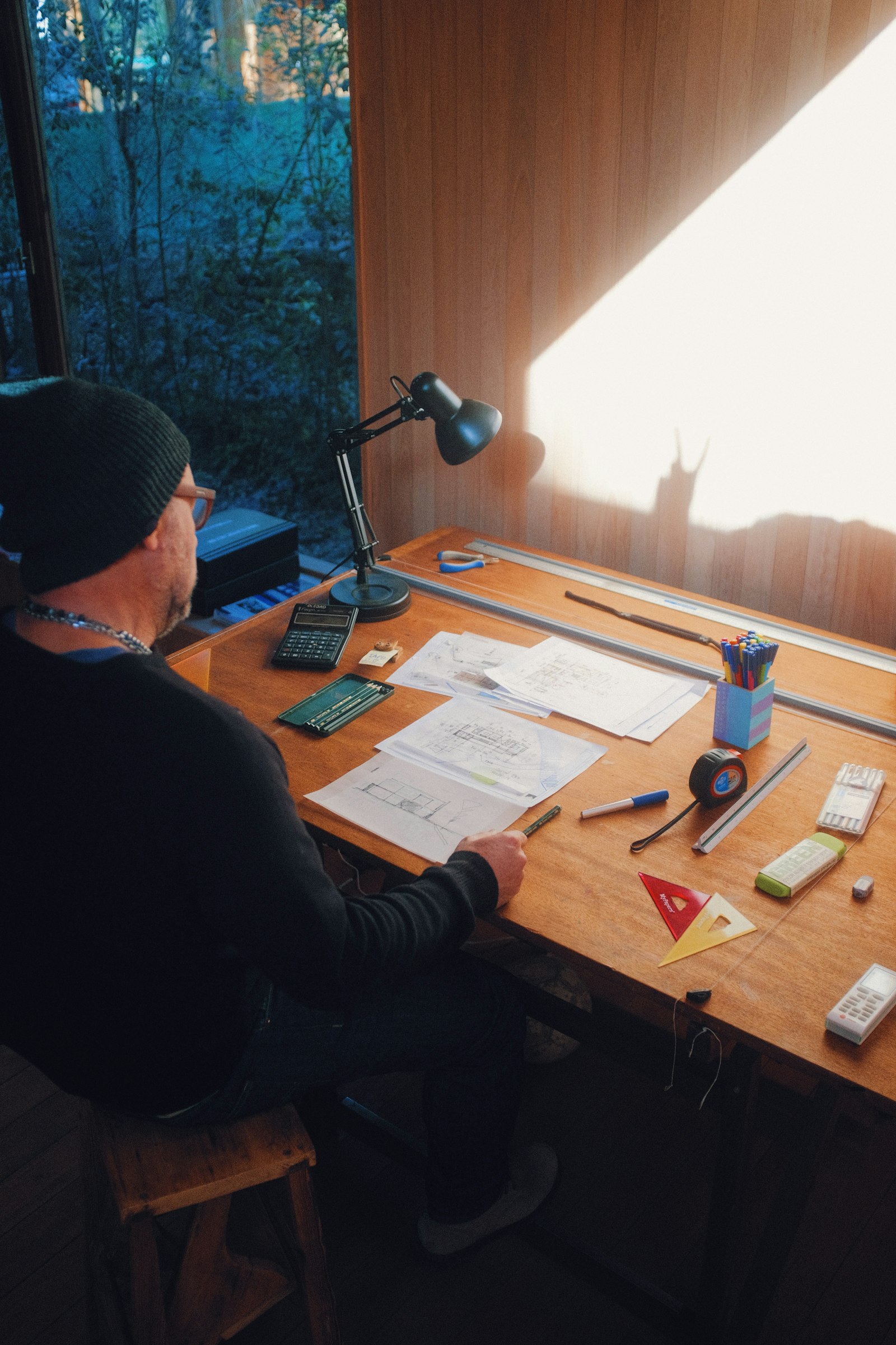
Design
Why we still print the sitemap
We print the whole sitemap before we draw a page.
Every page, how they nest, clean type on one big board. Not a PDF, not a Figma link. An easel in the room. Everyone else sends a link, and it's faster, free, no drive to the print shop. But a sitemap is a map, and a map wants to be seen all at once.
The client holds the full shape of their site in their head at one time. Every page, every nesting, in a single look. A screen can't fit it, so it scrolls, and the shape never lands.
Put it on a board and the client points. Move that under here. Combine these two. The real conversation, the one where they engage with the architecture of their own business, only happens when they can see all of it at once.
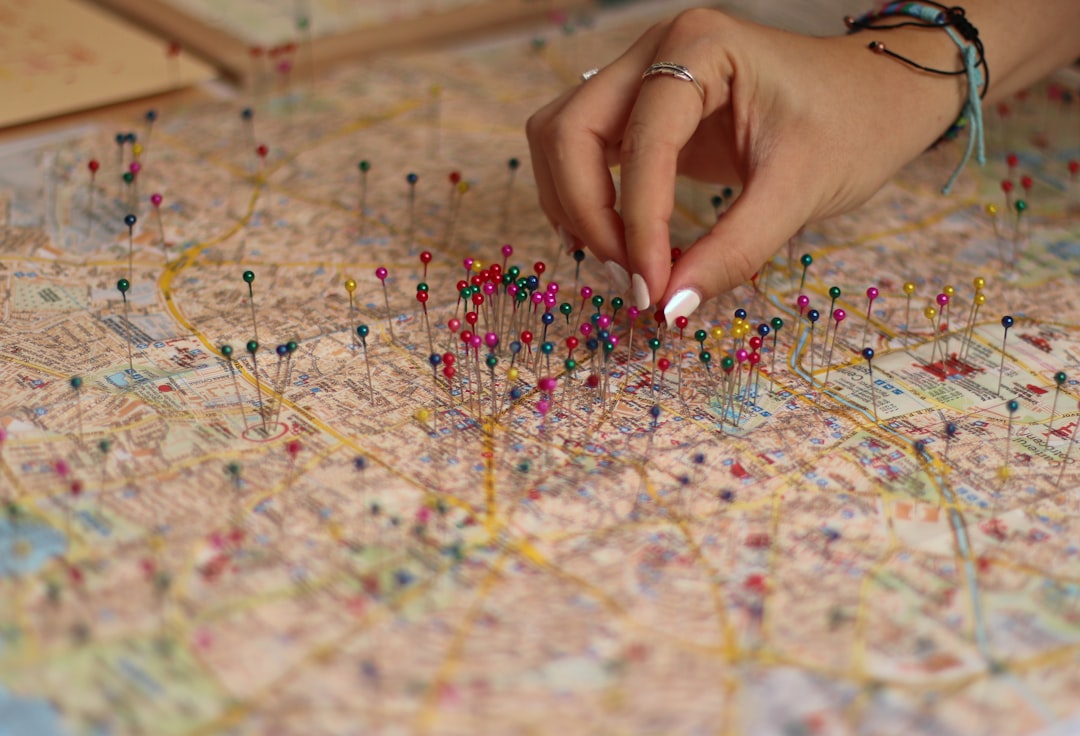
A screen makes them agree to something they never saw.
They nod, say it looks good, and sign off on a structure they never actually held. Three weeks later comes the question: wait, where's the careers page? Nobody ever saw the whole tree, because the whole tree never fit on the screen. On a board that disappears.
A printed board says someone spent real care on this. It sits on the credenza for two months and works for us before a word is said. Honesty is the whole point of how we work, and the object shows it.
Wireframes stay on screen, because they change ten times a day. Printing them would waste the paper and freeze a thing that is meant to move. The board is for the one artifact that holds still: the map, the same structural honesty behind showing your structure everywhere else in a project.
The prototype beats any board. A clickable thing a client can drive tells them more than a printout ever could. We print the sitemap precisely because it's the one artifact that is literally a map of the whole thing, and a map earns the easel.
On a screen it scrolls. On a board, they hold the whole shape.
The client never holds the whole shape of their site in their head at one time. On a board, they do.
We'd rather the object work for us than sit unmade in a shared drive. It's one of the small, deliberate habits built into our process, long before the first page gets designed.