

Real work, for names you already know.
Twenty-six years of sites for organizations that could not afford to get them wrong — a state agency, a public broadcaster, a research university, a biotech, a national retailer.
Different worlds, one thread: each site had to carry real weight for people under real pressure, and each still had to be simple to use on the worst day.
What follows is a handful of them, chosen because the problem behind each one is easy to feel — and because the way through it says more about how the studio works than any list of features could.
These are builds, not mockups. Every one shipped and ran.
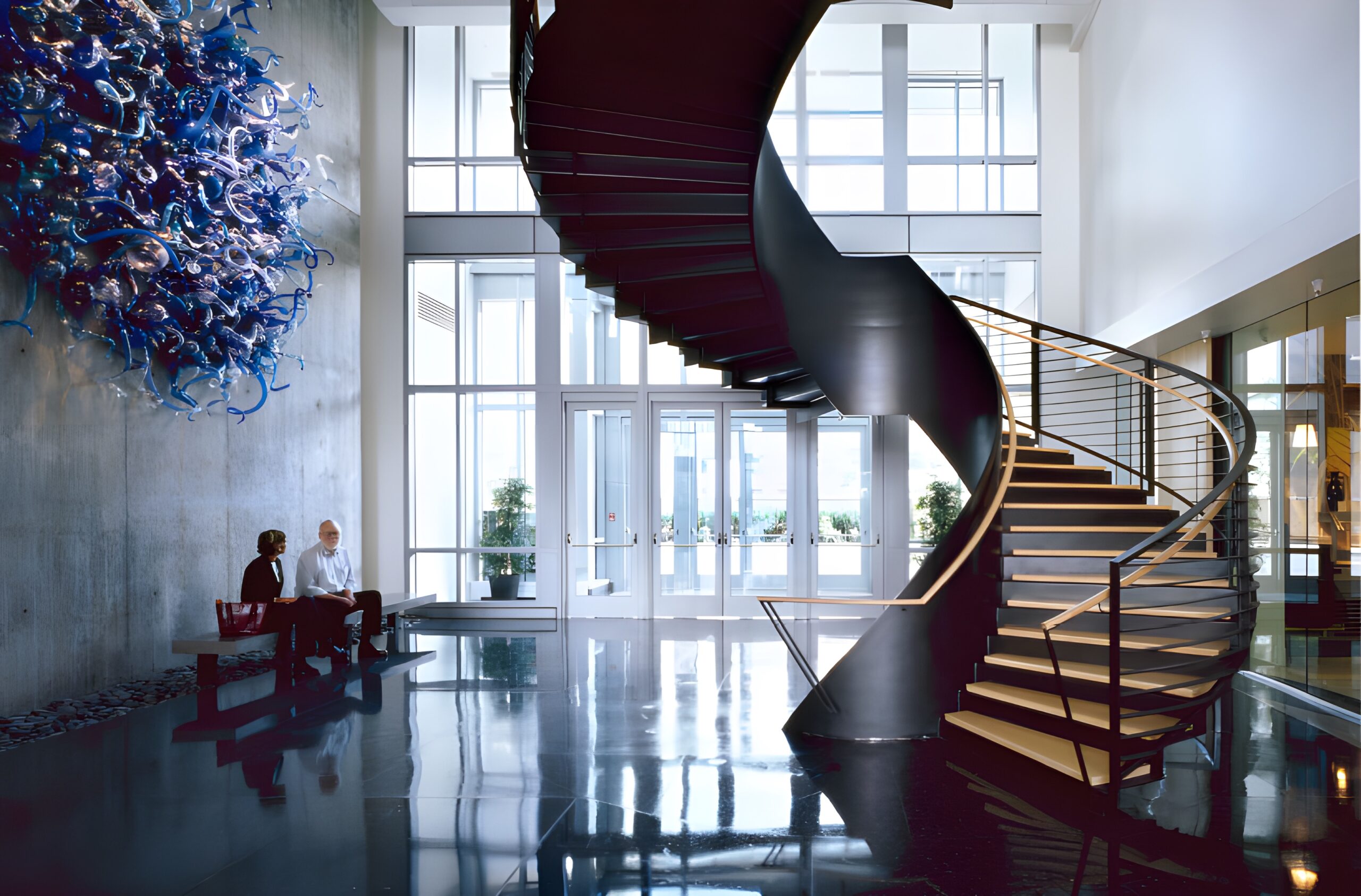
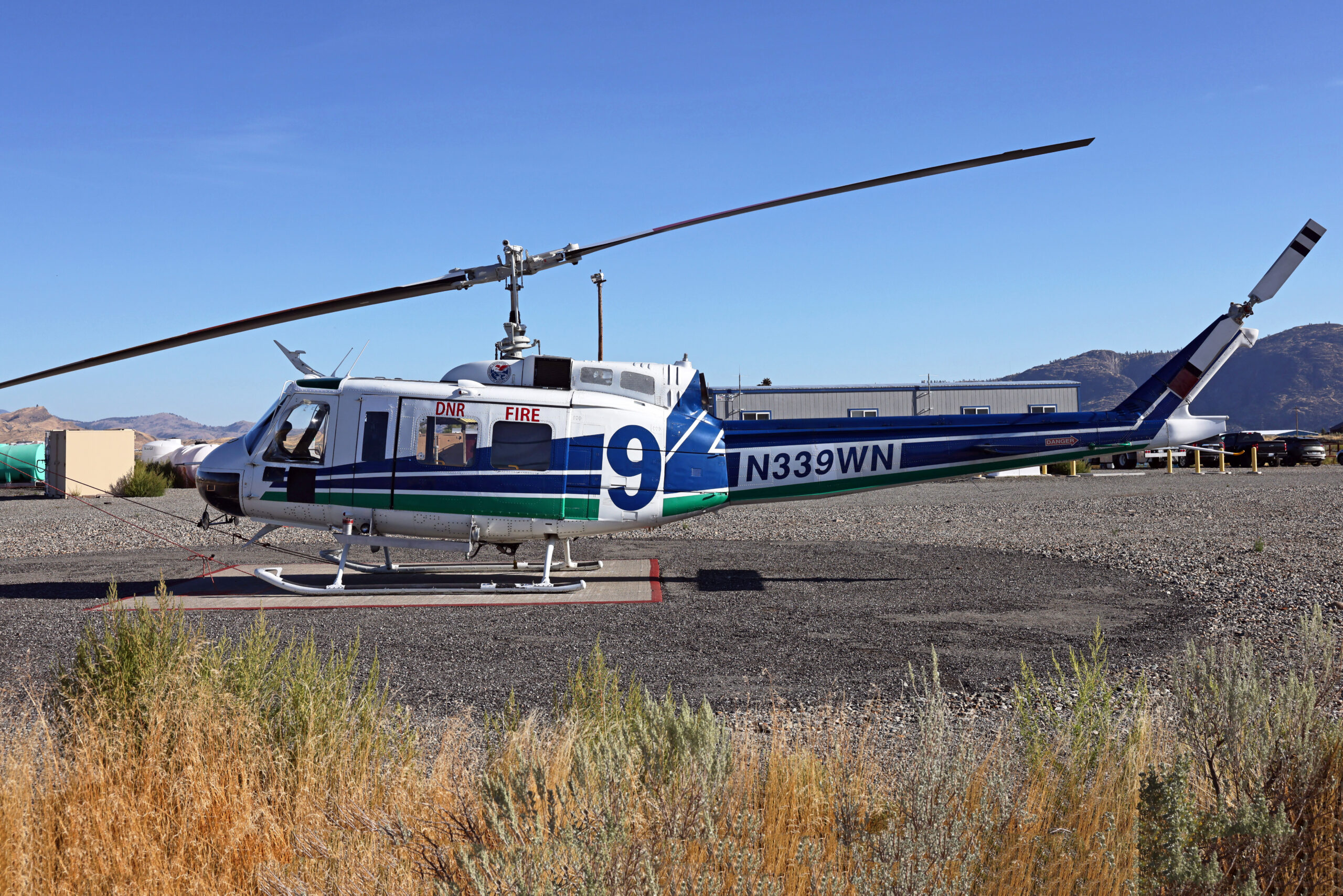
Washington Department of Natural Resources
A public agency's site has to work for people who didn't come by choice.
A state agency doesn't get to pick its audience. Someone lands on a Department of Natural Resources site because a permit is due, a wildfire is close, or a rule has to be understood today — rarely because they wanted to be there.
The work put clarity first: find the thing you came for, understand it, and act, without wading through an org chart. A site built for the citizen with a deadline, not the department with a mission statement.
PBS — West175 Productions
Three national shows, made to feel like one place.
Three separate public-television productions, each with its own audience and its own history, needed to live together without flattening into sameness — one home that still let each show keep its voice.
The build gave them a shared spine and a distinct face apiece, so a visitor always knew where they were and never felt handed off between three different websites wearing one logo.
Our old site fought everybody. After the rebuild, people just started finding what they needed…
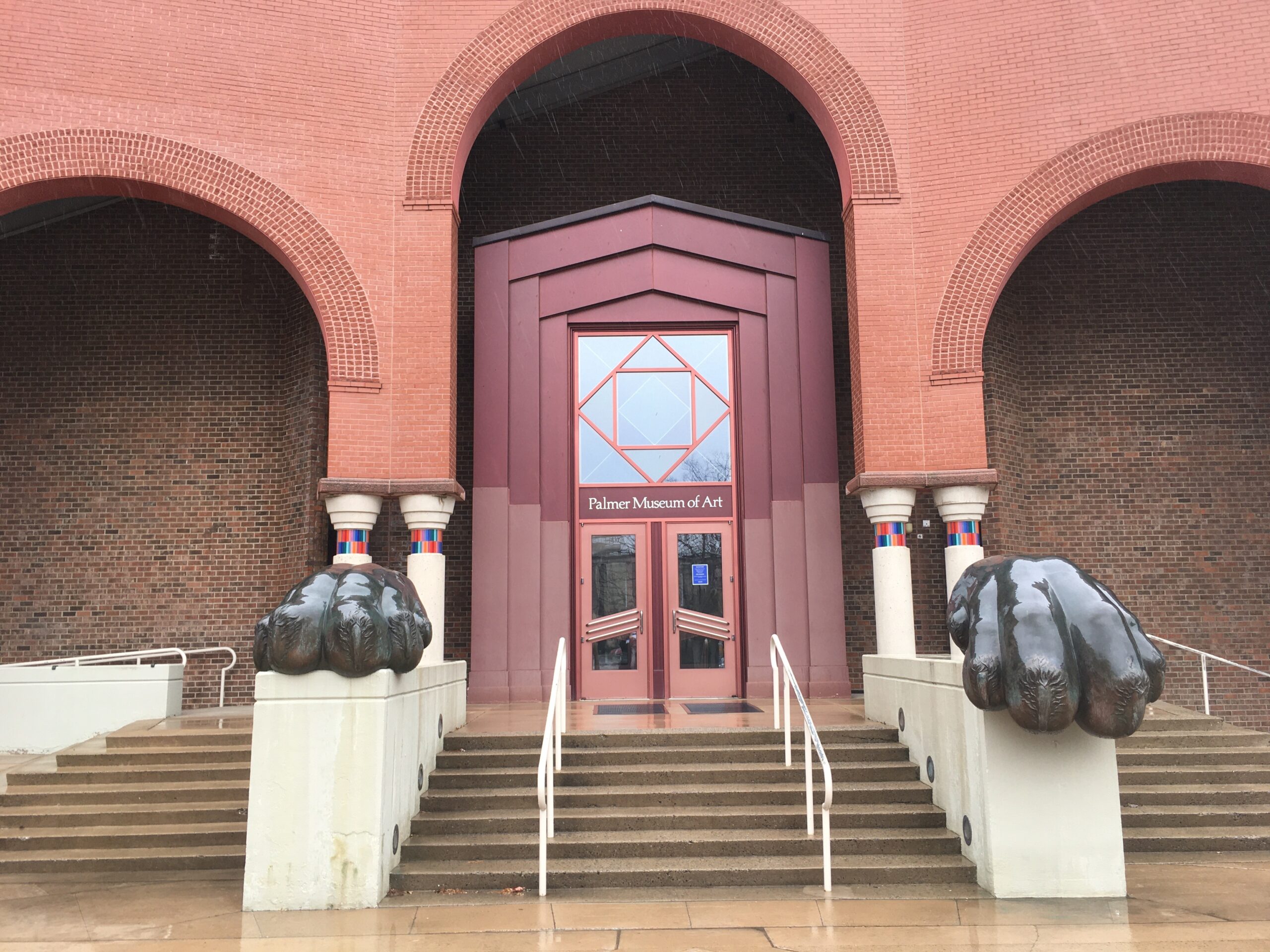
Penn State College of Arts & Architecture
Many schools, each used to running its own little website.
A college made of many schools, each long accustomed to its own site, its own habits, its own idea of how things should look. The task was to make them feel like one place without stripping away what made each one itself.
The work built a common frame strong enough to unify and loose enough to let each school breathe — a single college that still felt like a community of distinct studios.
Oberon
Ten thousand products only matter if a customer finds the one.
A catalog of ten thousand products is worth nothing if the one a customer came for stays buried. Scale here is not a bragging point; it is the problem.
The build treated findability as the whole job — structure, search, and a path to the right product that held up whether the catalog held ten items or ten thousand.
The through-line under all of it.
Different clients, different decades, different stacks — and the same standard under every one. Build for the person using it on their hardest day. Keep it simple where it counts. Hand over something the team can actually run.
None of these were redesigns dropped off at the door. They were sites built to be lived in, and in many cases tended for years after launch.
That is what a portfolio is supposed to prove: not that the studio can make something look good once, but that it can make something work, and keep working, for an organization that has real weight riding on it.
The full roster of who these sites were built for sits one page over.