

Every site is built on the same engine we made.
A Daylit site is not assembled from a bought theme and a pile of plugins. It runs on an engine we built and maintain ourselves: one shared design library that every page draws from, so the whole site moves together and nothing drifts from page to page.
On top of that sits a set of about thirty page sections (a hero, a stat row, a gallery, an FAQ, a client quote) that a page is assembled from, the way a magazine is built from a fixed set of grids rather than drawn freehand every issue. New pages go together fast, because most of the design is already solved and proven.
27
page layouts
a page is built from, not coded from scratch
1
shared design library
the whole site drawn from one source
10
kinds of structured data
the site emits so machines can read it
Found and understood
Legible to search, and to the machines reading it.
Every page carries the metadata search engines actually read: a title, a description, a canonical address, preview cards for when the link is shared. None of it is typed by hand per page; the engine derives it from the page's own headline and opening line, so a page is never missing a description because someone forgot.
Beyond that, the site describes itself in labeled facts: this is an article, by this person, on this date; this is a business, at this address, open these hours. That labeling earns the rich result in search and gives AI answer engines something clean to quote. It is the same discipline our SEO product, Beacon, is built on.

The record behind it: Penn State, Amgen, Valet Living.
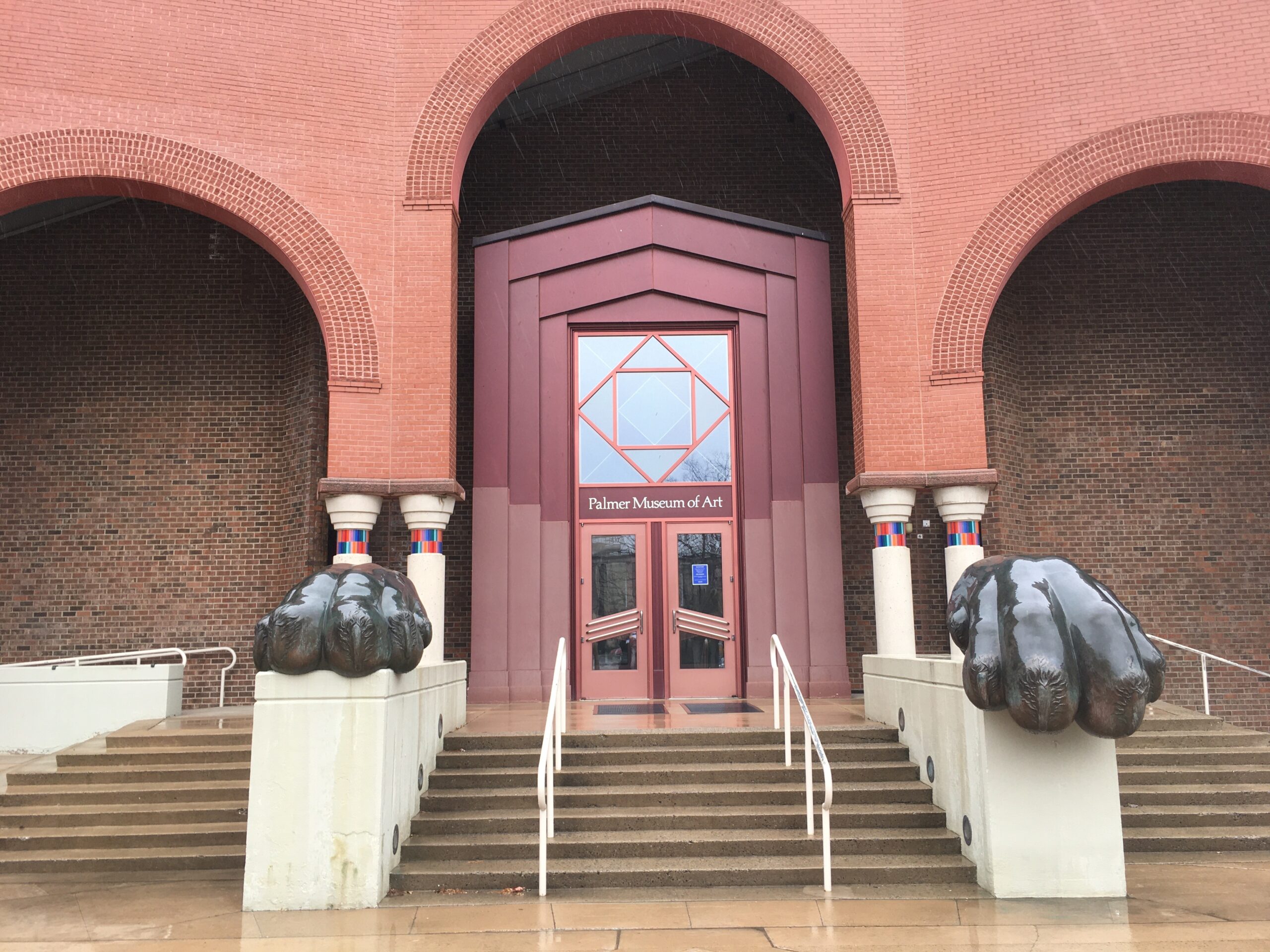


The same style was broken on every page. Instead of quoting us page by page, they just changed it at the source…
Built for whoever shows up.
A site gets visited by people using a keyboard instead of a mouse, a screen reader instead of eyes, a phone in bright sun, a hand that does not want to tap a target the size of a grain of rice. Built right, the site holds up for all of them, not just the default case.
That shows up in checkable ways: text readable against its background at the contrast the standard sets, buttons and links sized so a thumb does not miss, motion that backs off for anyone who gets motion-sick, and a page that still makes sense read aloud in order. None of it is bolted on at the end; it is built into the shared library, so every new page inherits it.
A real store when you need one.
Off by default
Most sites do not sell anything, so the commerce engine stays switched off entirely. No cart, no checkout, no product database dragging on every page. The site stays fast because it is not carrying a store it does not use.
On when you sell
When you need to sell, WooCommerce turns on inside the same design system, not bolted on afterward. Cart, checkout, and account pages are built to look like the rest of the site, and the catalog runs on the same structure everything else does, so it stays fast at ten products or ten thousand.
Yours to run
The site is yours to run, not ours to guard.
A client logs into a plain editing screen and writes into the same labeled pieces the site was built from (a headline, an image, a stat, a quote), not raw code. Adding a team member, publishing a story, updating a project: none of it requires calling anyone.
Handover includes the actual keys: admin logins, hosting access, and documentation written for the person who will run the site, not for another developer. Nothing about running the site depends on us staying in the room.

Kept running, quietly.
Both, under one roof, by the same hands. The people who choose the typeface write the code that ships it, so decisions get made once, not twice by two vendors who never talk.
Yes. A client logs into a plain editing screen and writes into labeled pieces, a headline, an image, a stat, not raw code. Adding a team member, publishing a story, or updating a project does not require calling anyone. Handover includes the keys and documentation written for the person who will run the site.
Yes, and it is checkable: text meets the contrast the standard sets, buttons and links are sized so a thumb does not miss, motion backs off for anyone who gets motion-sick, and the page still makes sense read aloud in order. None of it is bolted on at the end; it is built into the shared library, so every page inherits it.
Yes. A launched site still needs someone watching it: security patches applied, backups taken, uptime checked, a plugin conflict caught before anyone notices. Our hosting and upkeep handle that in the background, on a fixed monthly rate, so a site does not quietly rot the way an unmaintained one does.
We build a small family of tools that keep watch month after month: search, security, compliance, and local presence. A Daylit-built site is the foundation they plug into. See Upkeep.